FM-02Welding Mats
Welding Mats
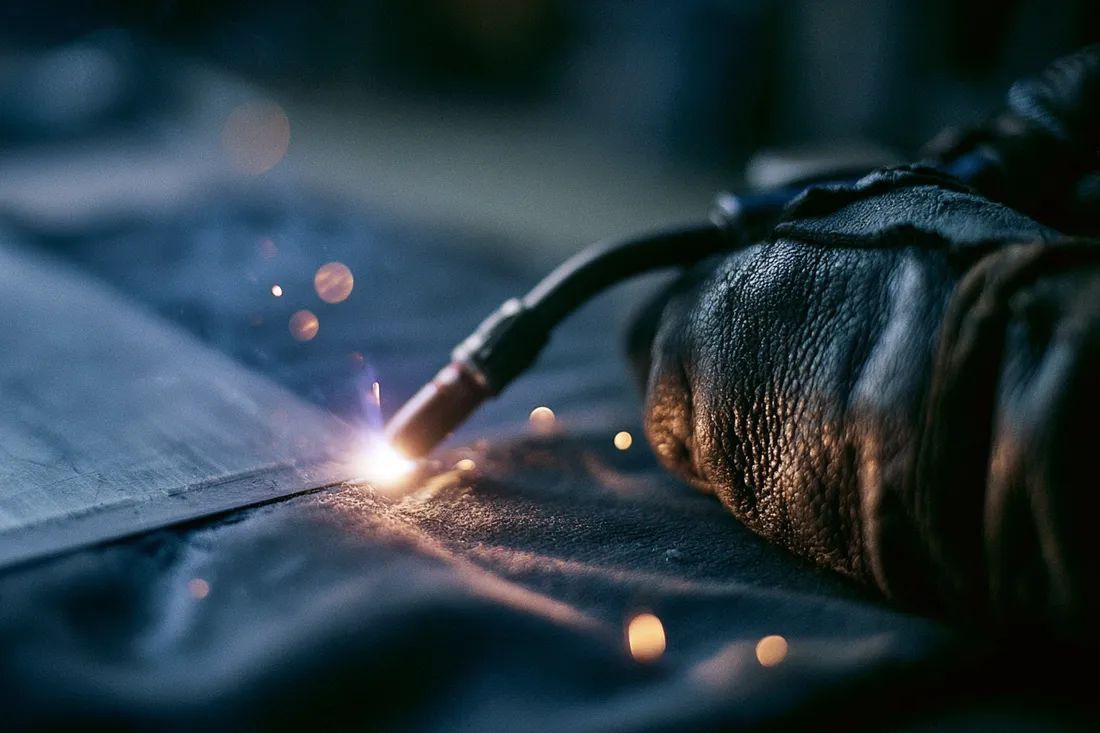
A welding mat protects floors and surfaces from sparks, hot spatter and molten metal during welding, grinding and cutting. It helps contain heat damage and reduce fire risk to the area below.
Welding mats are protective equipment, not a substitute for safe practice or a hot work permit. Match the mat to your process and heat level, and keep extinguishing means to hand.
In short
A welding mat is a heat- and spark-resistant floor mat placed beneath or around welding, grinding and cutting to catch spatter and protect what sits below; choose the grade by your process and heat level.
Spark & spatter resistant
Designed to resist welding sparks, spatter and slag.
Protects what’s beneath
Shields floors and surfaces under the welding work.
Process-matched grades
Material grades to suit MIG, TIG, arc, grinding and cutting.
Right format
Guidance on welding mat vs blanket and the right size for the task.
What is a welding mat?
A welding mat is a heat- and spark-resistant floor mat placed beneath or around hot work to catch spatter and protect what sits below. It is used wherever welding, grinding or cutting throws sparks or molten metal onto a floor or surface that needs protecting.
Welding mats vs welding blankets
A welding mat typically sits on the floor or surface to catch spatter and protect what’s beneath. A welding blanket is more often used to drape, screen or cover nearby items. Both relate to spark and heat protection but serve different positions — tell us the task and we’ll point you to the right one.
| Welding mat | Welding blanket | |
|---|---|---|
| Where it goes | On the floor or surface, underfoot | Draped over, around or as a screen |
| Main job | Protect the floor from spatter and slag | Shield nearby surfaces, equipment or people |
| Underfoot use | Made to be stood and walked on | Not generally rated for foot traffic |
How welding mats handle sparks, spatter and slag
Welding mats use heat- and spark-resistant materials chosen to withstand spatter and high temperatures for their intended use. No mat is truly fireproof; the right grade depends on the welding process, the heat involved and how much molten metal lands on it.
Fire rating and what to ask for
For welding areas, look for materials described as fire-resistant, flame-retardant or self-extinguishing, and ask the supplier for the product’s fire classification (for example a reaction-to-fire class under EN 13501-1). Standards describe how a material reacts to fire, not a guarantee — request the product certificate and confirm it suits your process rather than relying on the label alone.
Key features to look for
Material and heat/spark resistance
Specify the welding process and heat level so the suitable grade is recommended. Heavier spatter and higher heat call for a more robust mat.
Size, edging and durability
Size the mat to where sparks and slag actually land, with durable edges that resist burn-through and curling. A mat that is too small leaves gaps where spatter reaches the floor.
Care, inspection and replacement
Inspect regularly for burn-through, charring, holes and hardening, and replace once protection is reduced. Do not continue using a damaged mat — gaps and burn-throughs let spatter reach the floor.
Welding Mats — questions
Honest answers specific to this matting type.
01What is a welding mat used for?
A welding mat protects floors and surfaces from sparks, hot spatter and molten metal during welding, grinding and cutting. It helps contain heat damage and reduce fire risk to the area below. Choose one suited to your process and heat level.
02What's the difference between a welding mat and a welding blanket?
A welding mat typically sits on the floor or surface to catch spatter and protect what’s beneath, while a welding blanket is often used to drape, screen or cover items nearby. Both relate to spark and heat protection but serve different positions. Tell us the task and we’ll point you to the right one.
03What fire rating should welding mats have?
Look for materials described as fire-resistant, flame-retardant or self-extinguishing, and ask the supplier for the product’s fire classification (such as a reaction-to-fire class under EN 13501-1). The right level depends on your process and setting — request the certificate and confirm it suits the area rather than relying on the label.
04Are welding mats fireproof?
No mat is truly fireproof. Welding mats are designed to resist sparks, spatter and heat for their intended use, but they are protective equipment, not a substitute for safe practice and fire precautions. Inspect them and keep extinguishing means to hand.
05How long does a welding mat last?
Lifespan depends on heat exposure, spatter volume and handling. Inspect regularly for burn-through, charring, holes and hardening, and replace once protection is reduced. Don’t continue using a damaged mat.
Go deeper before you specify
What Mat Should I Use in a Welding Bay? Safety Basics
A practical starting point for choosing a welding mat — what it protects against, how to grade and size it, and when to replace it, without overstating what any mat can do.
Read guideWhat Fire Rating Should Welding Mats Have? A Buyer's Checklist
A practical checklist for translating a welding mat's fire classification into a real buying decision — what to request, what a class does and doesn't cover, and what else to specify alongside it.
Read guideWelding Mat vs Welding Blanket: Which Do You Need?
Welding mat vs welding blanket explained: where each sits, when to use them, and why neither is fireproof. Practical guidance for UK workshops.
Read guideWhat Temperature Can a Welding Mat Withstand?
An honest explainer on welding-mat heat ratings: why there is no standardized floor-mat temperature figure, how continuous, peak and spatter-contact heat differ, and what documentation to request.
Read guideWhat Are Welding Mats Made Of? Materials Explained
The materials behind welding and hot-work mats: silicone-coated fiberglass, vermiculite glass, high-silica, carbon felt, leather, ceramic fiber and rubber, with honest heat limits and where each belongs.
Read guideHow to Choose the Best Welding Floor Mat
A US and Canadian buyer guide to choosing a welding floor mat by process, spatter intensity, documented testing, comfort, format, sizing and cost.
Read guideWelding Spatter Floor Protection Guide
What welding spatter does to unprotected floors, and how to choose matting that copes with it for your process.
Read guideWelding Bay Flooring Layout Guide
How to plan the physical layout of welding bay flooring — station positions, access routes, gas bottle storage and phased installation across a multi-station bay.
Read guideCompare nearby options
 FM-01Hot Works
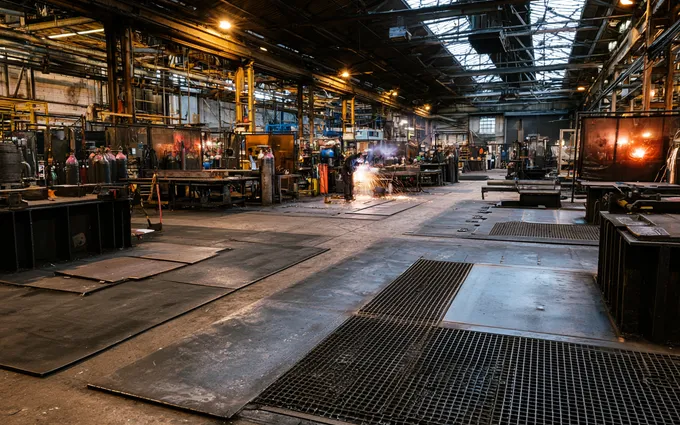
Hot Works Matting
The hub for welding, grinding and cutting floor protection — fire-resistant matting that handles sparks, spatter and slag.
View matting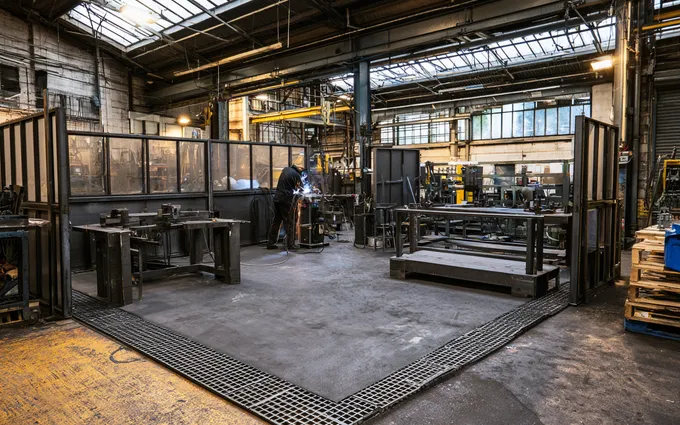 FM-02Fire-Resistant
Fire Resistant Matting
Flame-retardant, self-extinguishing floor matting for welding bays, fabrication shops, foundries and other hot work areas.
View matting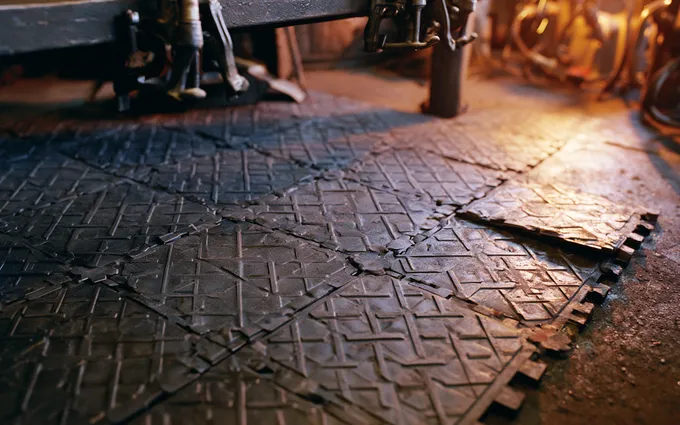 FM-03Welding Bay
Welding Bay Flooring
Fire-resistant mats and replaceable tiles to lay out a welding bay or fabrication cell floor.
View matting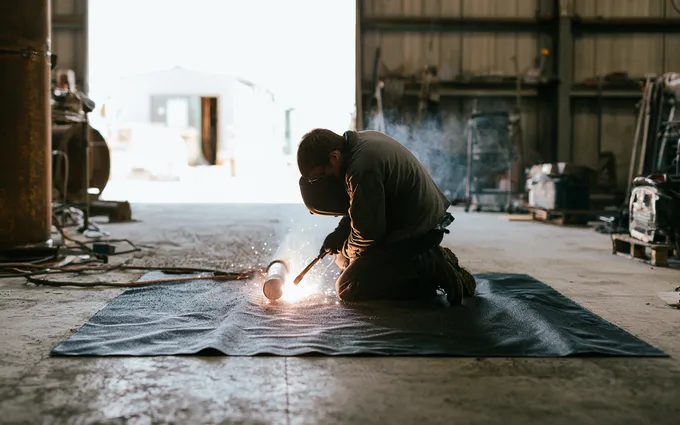 FM-04Temporary
Temporary Hot Work Floor Protection
Portable, fire-resistant floor protection for site hot works, maintenance and hot work permit areas.
View matting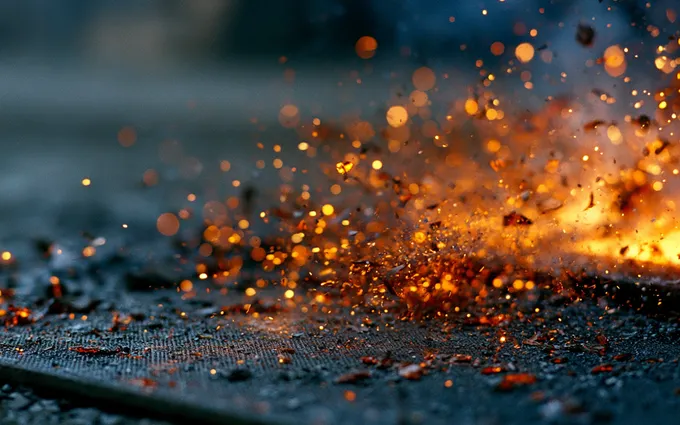 FM-05Spark-Resistant
Spark Resistant Matting
Floor protection built to take sparks, spatter and hot fragments from welding, grinding and cutting.
View mattingQuotes & specification help
Specifying a welding mat?
Send your process (MIG, TIG or stick), typical spatter, the area to cover, and any fire classification required — we'll point you to a suitable grade and format.